The National Education Policy (NEP) 2020 is not just a document about educational goals; it's a blueprint for a total digital transformation. While the policy discusses "equitable use of technology," what does that actually look like in Practice? For most schools and institutions, it means moving from a reactive "Zoom-only" model to a proactive "Hybrid-First" ecosystem.
In this post, we strip away the jargon and look at the functional impact of NEP 2020 on how you teach, how students learn, and how your campus operates digitally.
Hybrid Live Classrooms
Managing the physical and digital classroom as one unified experience.
The Hybrid-First Mandate
NEP 2020 recognizes that "online education cannot be ignored," yet emphasize that it shouldn't replace face-to-face interaction. The result? Hybrid Learning.
In practice, this means your school needs a single dashboard that handles:
- Synchronous Live Classes for remote students.
- Asynchronous Content for after-school revision.
- Offline session scheduling and tracking.
- Digital submission of physical homework.
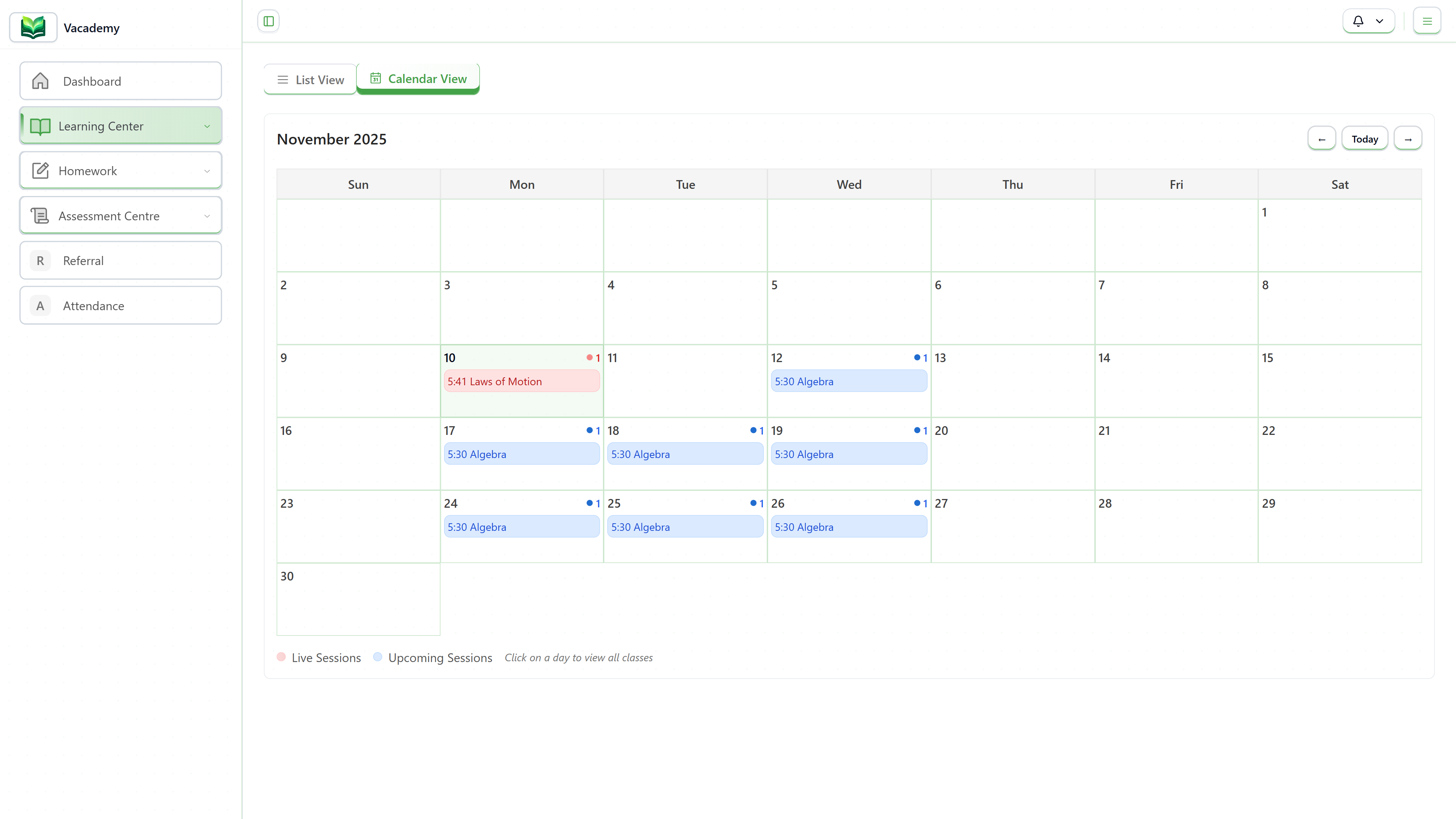
Unified Academic Calendar
AI: The Engine of Equity
One of the boldest parts of NEP 2020 is the focus on AI to bridge the learning gap. Vacademy’s Vsmart AI Suite brings this to life for schools that don't have multi-million dollar IT budgets.
Automated Adaptation
Course content that changes difficulty based on individual student performance reports.
Teacher Co-Pilot
AI-generated lesson plans that align with NEP's multidisciplinary requirements instantly.
Case Study: Using AI to convert traditional school textbooks into interactive digital batches seamlessly.
Accessibility: If it's not on mobile, it's not equitable
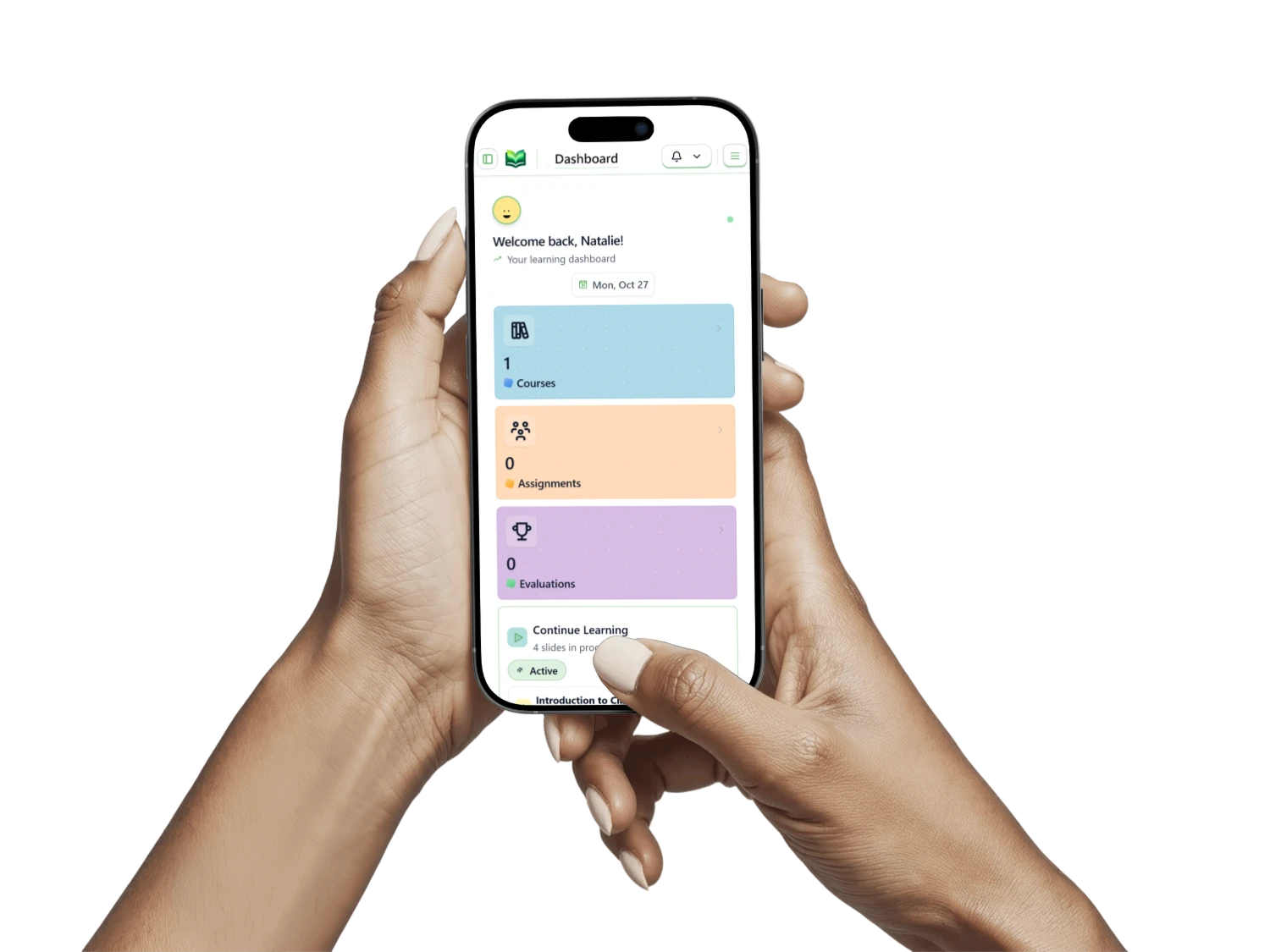
NEP 2020 highlights the importance of making technology accessible to those who might not have a laptop. This makes a White-labeled Mobile Appa requirement, not a luxury.
Vacademy provides a completely branded mobile experience for your school, ensuring students can learn on the devices they already have in their homes.
Implementing NEP Digitally: A Practical Checklist
| NEP Focus Area | Digital Implementation Requirement | Vacademy Module |
|---|---|---|
| Flexible Learning Paths | Self-paced course modules | Course Management System |
| Teacher Empowerment | Lesson planning automation | Vsmart AI Lecturer |
| Standardized Evaluation | Question-bank generation | AI Question Paper Builder |
| Holistic Progress | Soft-skill & engagement tracking | Advanced LMS Reporting |
| Equitable Access | Mobile-first experience | Branded Learner App |
NEP Digital Implementation FAQs
Does NEP 2020 require schools to get rid of textbooks?
No, but it encourages 'Digital Literacies' and the integration of digital tools alongside textbooks to provide a multidisciplinary experience.
How does Vacademy support the policy for vocational training?
Vacademy's flexible course depth (up to 5 levels) allows for highly specialized vocational training paths, including video modules, project submissions, and skill-based certifications.
Is there support for regional languages in Vacademy?
Yes. Our platform supports multiple scripts, and our AI content generation can assist in creating multilingual resources as mandated by the policy.
How can we ensure our digital transition is NEP-compliant?
By choosing a platform that unifies operations, assessment, and engagement tracking under one umbrella, you ensure the data continuity required for NEP's holistic progress reporting.
Don't Just Read the Policy.
Implement It.
Transition your school into an AI-powered, NEP-compliant digital academy with Vacademy. No technical team required—just your vision.